
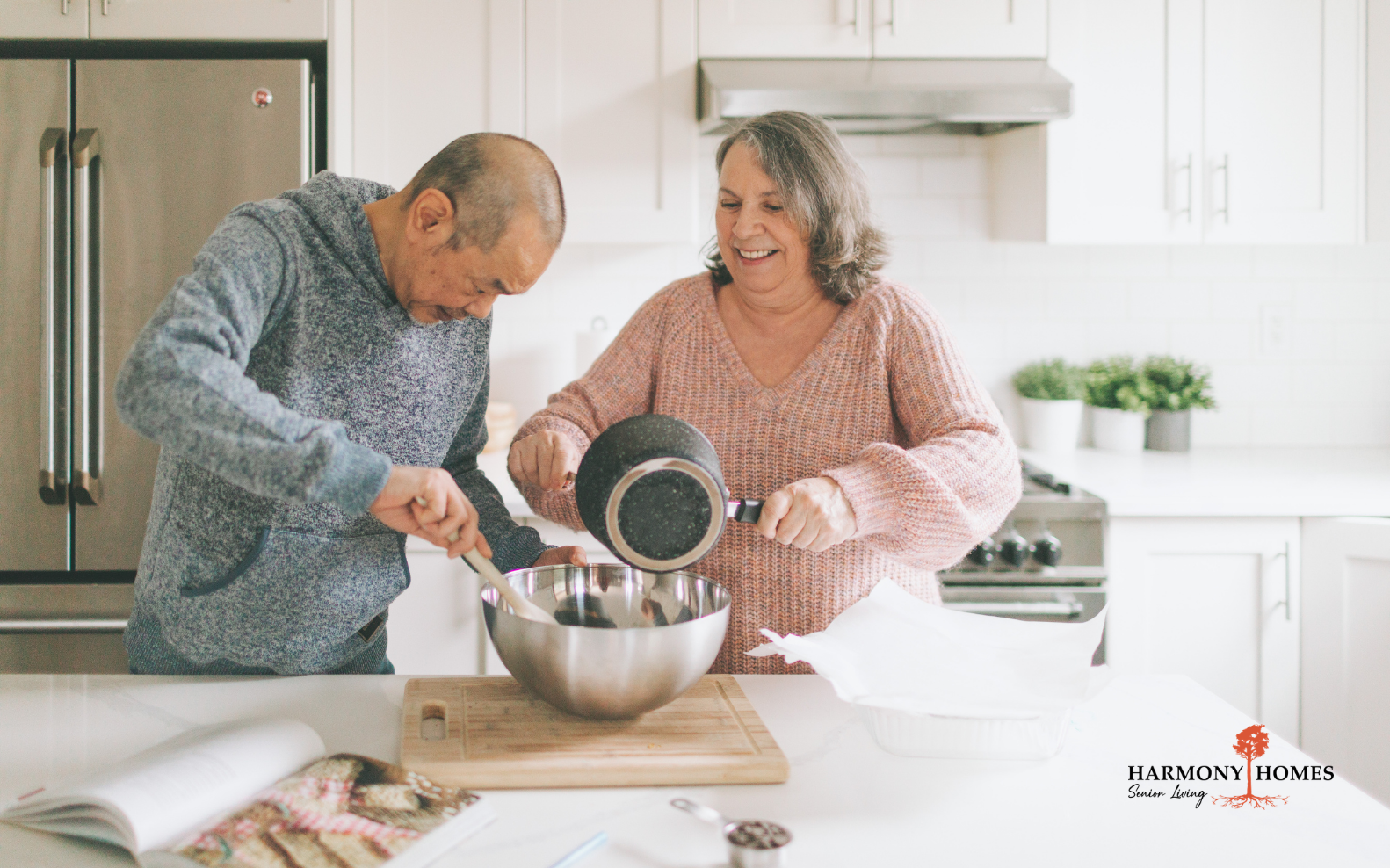
The Work Is Different in a Home of Twelve: What the Residential Model Asks of the People Who Run It
If you have spent years in senior living, you know the gap between the care you wanted to give and the care the schedule allowed. That gap is the quiet reason good people leave this field. In a residential home of 8 to 12 residents, the relationship is not incidental to the operating model. It is the operating model. Here is what the work actually looks like, what it asks of you, and an honest accounting of who thrives in it and who should not make the move.

The Five-Year Exit in Residential Senior Care: Who Buys, and What They Pay For
Every investor in a five-year hold eventually asks the same question. Who takes me out, and at what price? For boutique residential senior care, the answer has become clearer over the last eighteen months, and more favorable than most assume. With 45 percent of investors planning to buy and only 14 percent planning to sell, the exit risk people imagine does not match the market. But the data reveals something that should change how the hold itself is run. The exit multiple is set during the operating years, not at the close.

The Hire That Decides the Return: A Different Profile for Senior Housing's Most Important Role
Most senior housing operators hire care directors against a profile that has more in common with luxury hospitality than residential care. The profile sounds right in interviews. It loses money over the holding period. With executive turnover in long-term care at 22 percent and stabilization timelines hanging on every senior site leader, the most leveraged decision in residential senior care is also the one most operators screen for the wrong way. Here is the profile we actually look for, and why it should matter to anyone underwriting this asset class.

What a Sponsor Will Not Take: Why Capital Discipline Is the Most Underrated Diligence Question of 2026
With $24 billion of senior housing transactions closing in 2025 and 86 percent of investors increasing exposure in 2026, the diligence question has inverted. The question is no longer whether a sponsor can raise capital. The question is what they will turn away. Here is why capital discipline at the source is becoming the most underrated signal of institutional readiness in senior housing.

Capital Returned to Senior Housing in 2026. The Real Bottleneck Is Now People.
Senior housing posted $24 billion in transaction volume in 2025 and recovered to 89.9 percent occupancy, with 86 percent of investors planning to increase exposure in 2026. For credible operators with track record, capital is no longer the binding constraint. People are. With industry turnover at 34.5 percent and a workforce net promoter score of 38, the differentiator in senior housing is no longer access to capital. It is the operators who can actually staff what they buy.
Baby Boomers Turning 80 in 2026: How This Wave Reshapes Senior Housing Demand, Affordability, and Impact Investment Opportunities
With the first Boomers turning 80 in 2026 and senior housing occupancy already at 89.1%, the question is no longer whether demand is coming. It is which operating models are built for it.

Why Family Offices Should Underwrite Trust, Not Just Demand, in Senior Care
Every investor in senior housing sees the same demographic slide. Fewer are asking the question that actually determines performance: does this operator have the trust capacity to convert demand into durable cash flow? For family offices building across generations, that distinction is the difference between underwriting a market trend and underwriting a business worth owning.
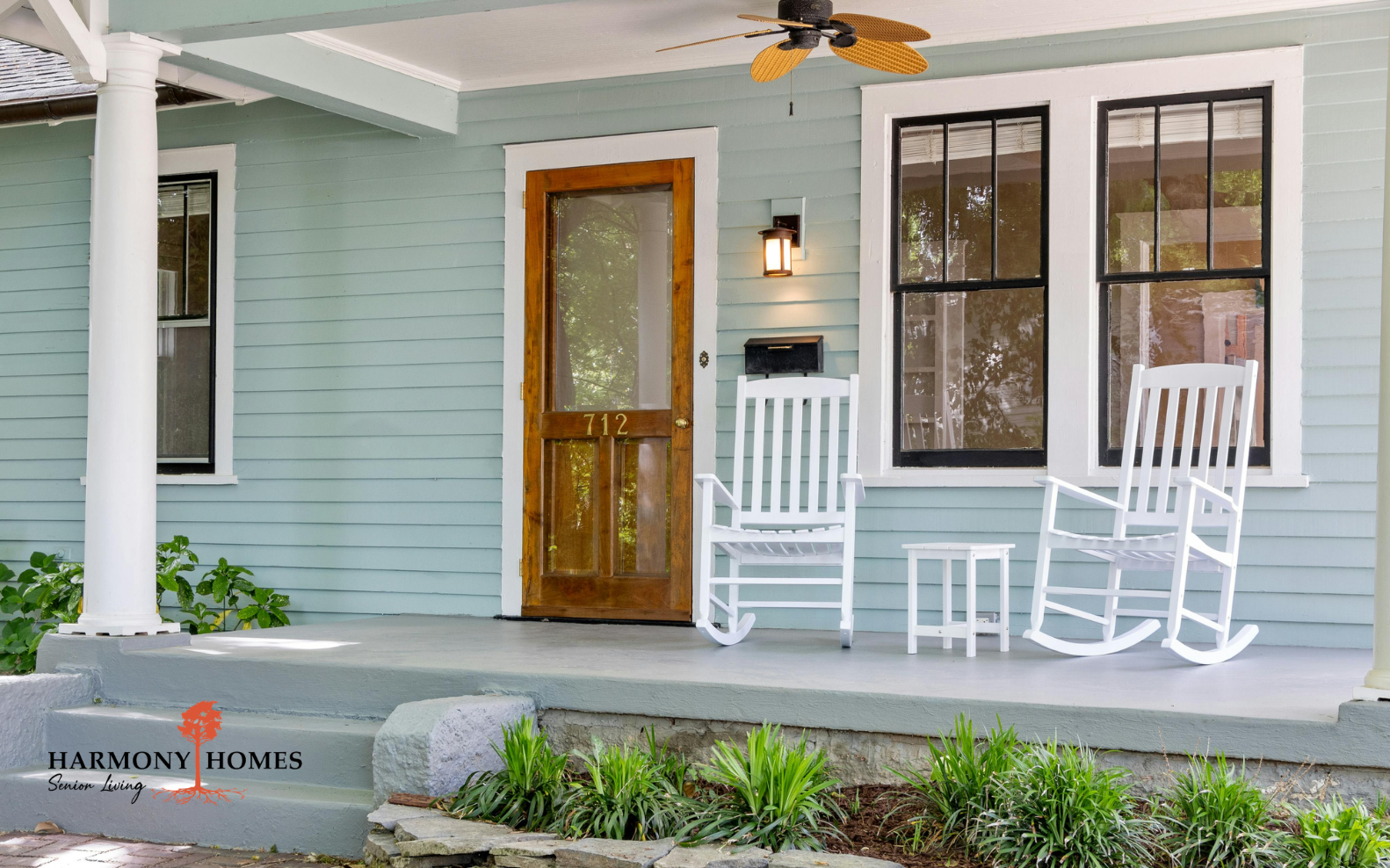
The Neighborhood Premium: Why Smaller Senior Care Homes Outperform Institutional Models Over Time
Capital markets price senior housing by beds, square footage, and operating leverage. Families make decisions based on trust. Those two things are not measuring the same reality. The gap between what the market values and what actually determines occupancy durability, margin resilience, and long-term returns is the neighborhood premium, and it is hiding in plain sight.

The Succession Crisis No One Is Pricing Into Senior Housing
Most investors underwriting senior housing today are modeling interest rates, labor costs, and demographic tailwinds. Very few are underwriting operator succession. That oversight may turn out to be the most mispriced risk in the sector.

Why the First Quarter of 2026 May Redefine Senior Living Investment
Q1 2026 is shaping up to be a defining entry point for senior living care investment.
Not because of hype or distress headlines, but because several long-building forces are converging at once: accelerating demographics, constrained supply, labor pressure, and a growing gap between what families need and what the market has delivered. As operators face fatigue rather than collapse, and families search for trust over luxury, aligned capital has an opportunity to step in with clarity and stewardship. For impact investors and family offices willing to engage senior living as a care platform rather than a commodity, early 2026 may represent one of the most meaningful windows of the decade.

Senior Living Investing in 2025: What This Year Confirmed and What Investors Can Expect for 2026
Senior living investing in 2025 has confirmed what many investors suspected: demand is strengthening, new supply is constrained, and fundamentals are improving. This recap breaks down what 2025 validated and what investors can realistically expect in 2026, including occupancy momentum, rent growth, transaction activity, and the operational realities that will separate strong sponsors and operators from the rest.

How to Evaluate a Sponsor in Senior Living Care: The Questions That Protect Both Your Capital and Your Conscience
Senior living care is not like most real estate investments because the returns are shaped by leadership, staffing, and care delivery, not just leases and cap rates. This post outlines a practical framework for evaluating a sponsor in this asset class, from operator oversight and underwriting discipline to transparency, incentives, and integrity under pressure.

The Truth About Investing in Senior Living Care: Common Misconceptions and the Clarifications That Matter
Senior living care investing attracts strong interest, and plenty of bad assumptions. Some investors treat it like multifamily with older tenants. Others assume demographics guarantee performance. And many underestimate how deeply operations, staffing, and reputation drive outcomes. This post addresses the most common misconceptions head-on and replaces them with the clarifications that actually matter, from operator selection to labor realities to what occupancy does and does not tell you. If you are evaluating this asset class in 2025, this is the framework that helps you invest with clarity instead of hype.

Senior Living Care vs. “The Usual Suspects” in 2025: Why This Asset Class Deserves a Different Lens
In 2025, most investors still default to the familiar mix of multifamily, industrial, self-storage, retail, and the increasingly popular data center trade. Senior living care does not fit neatly into that lineup because it is not only real estate. It is real estate plus operations, plus trust. The return profile is shaped as much by staffing, leadership, and resident experience as it is by market rent and cap rates. This post breaks down how senior living care compares to today’s most common asset classes and why the real question is not “Is it riskier?” but “Is it underwritten differently?”


The Hidden Value in Broken Systems: Why Distressed Senior Housing Represents Today's Greatest Investment Opportunity
Every "distressed asset" is a community of people who deserve better. When you get the mission right, the margins follow…

The Stewardship Test: What Senior Care Reveals About Our Character
There's a moment that comes to every family when the people who raised us suddenly need more care than we can provide alone. At Impact Housing Fund, we believe how we care for those who cared for us is the ultimate test of our character…

The Stewardship Opportunity Hidden in Plain Sight
When I first started raising capital for senior housing, I made a mistake that taught me everything about the difference between investors and stewards…

What Dignity Actually Looks Like in Senior Care
When my mother was navigating her final years, I learned something that no business school teaches and most senior care facilities miss entirely: dignity isn't a policy you implement, it's an atmosphere you create…